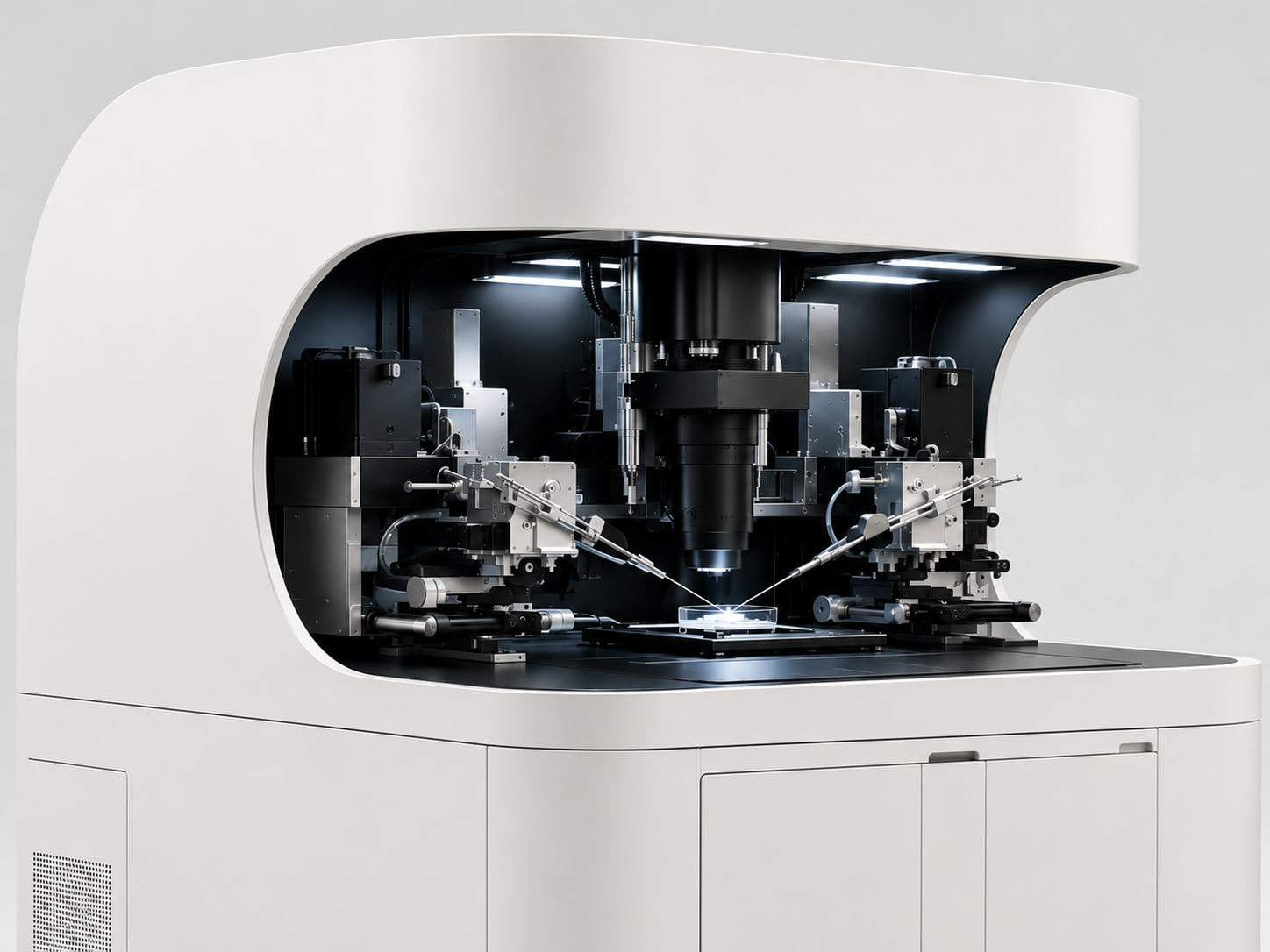
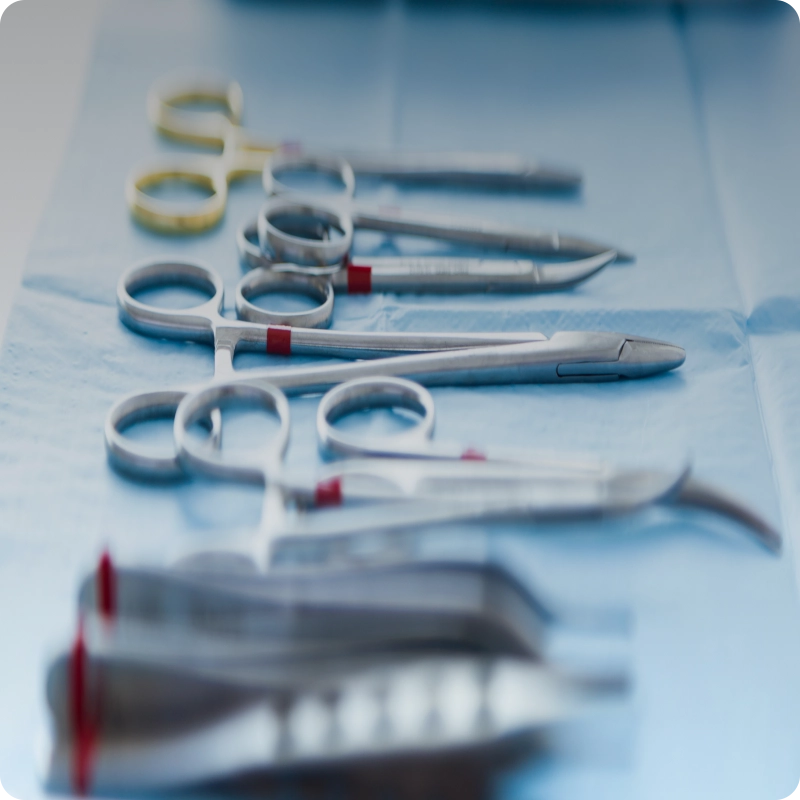
The surgical medical devices markets is rapidly growing driven by advancements in technology, an increasing number of procedures, and surgeon-led innovations.
This market encompasses a wide range of products, including minimally invasive surgical instruments, robotic-assisted devices, and traditional surgical tools. Innovative products are designed to reduce recovery times and lower risk of complications. Improving patient outcomes is central to Perdigó’s purpose.
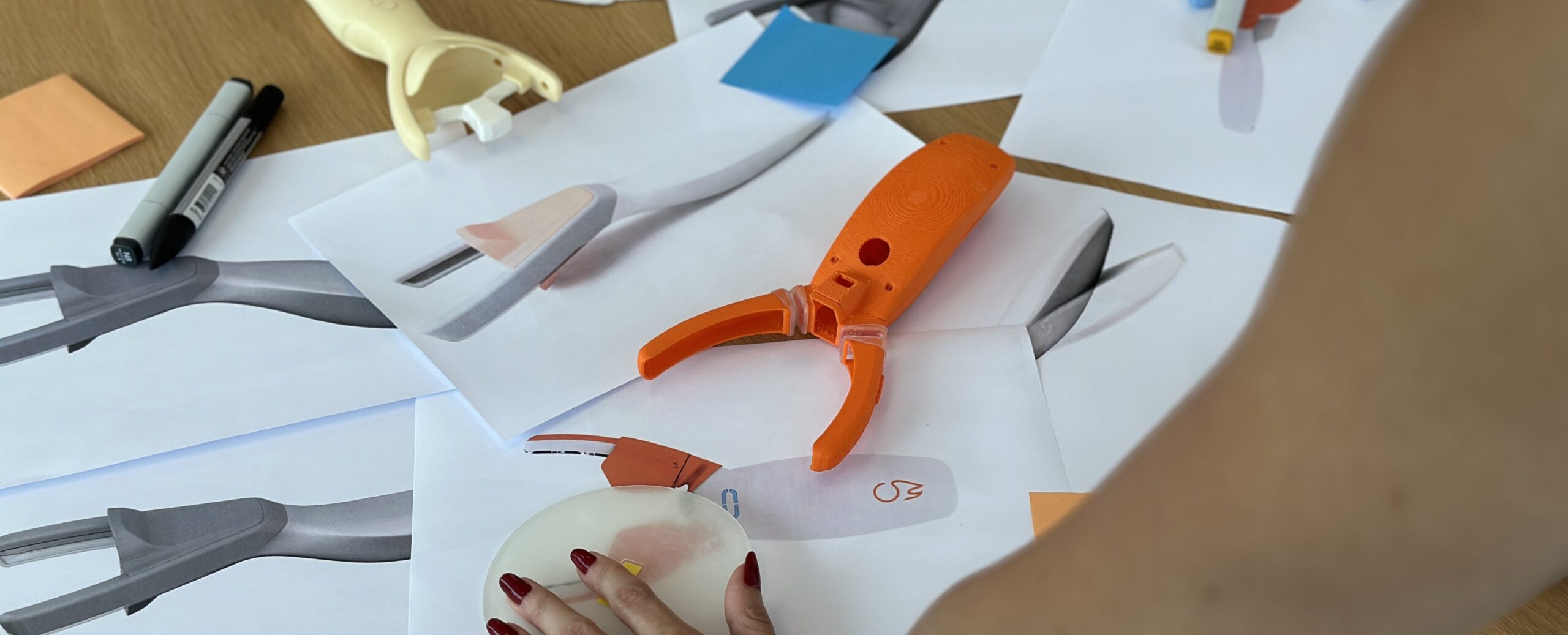
Developing novel surgical instruments requires using of the most advanced technologies, including advanced materials, precision engineering, and innovative design and manufacturing processes. Increasingly, new products must also integrate with digital technologies, such as robotics, vision systems, and AI, to increase the capability and efficiency of surgical procedures.
How Perdigó can help?
Perdigó have a multidisciplinary approach to engineering the next generation of surgical instruments:
“Perdigó has performed thorough Design Verification Testing on our devices. Thanks to their work, we are confident in the success of the upcoming regulatory submission of our medical device.”
Maria Climent QA & RA manager Premium Fertility
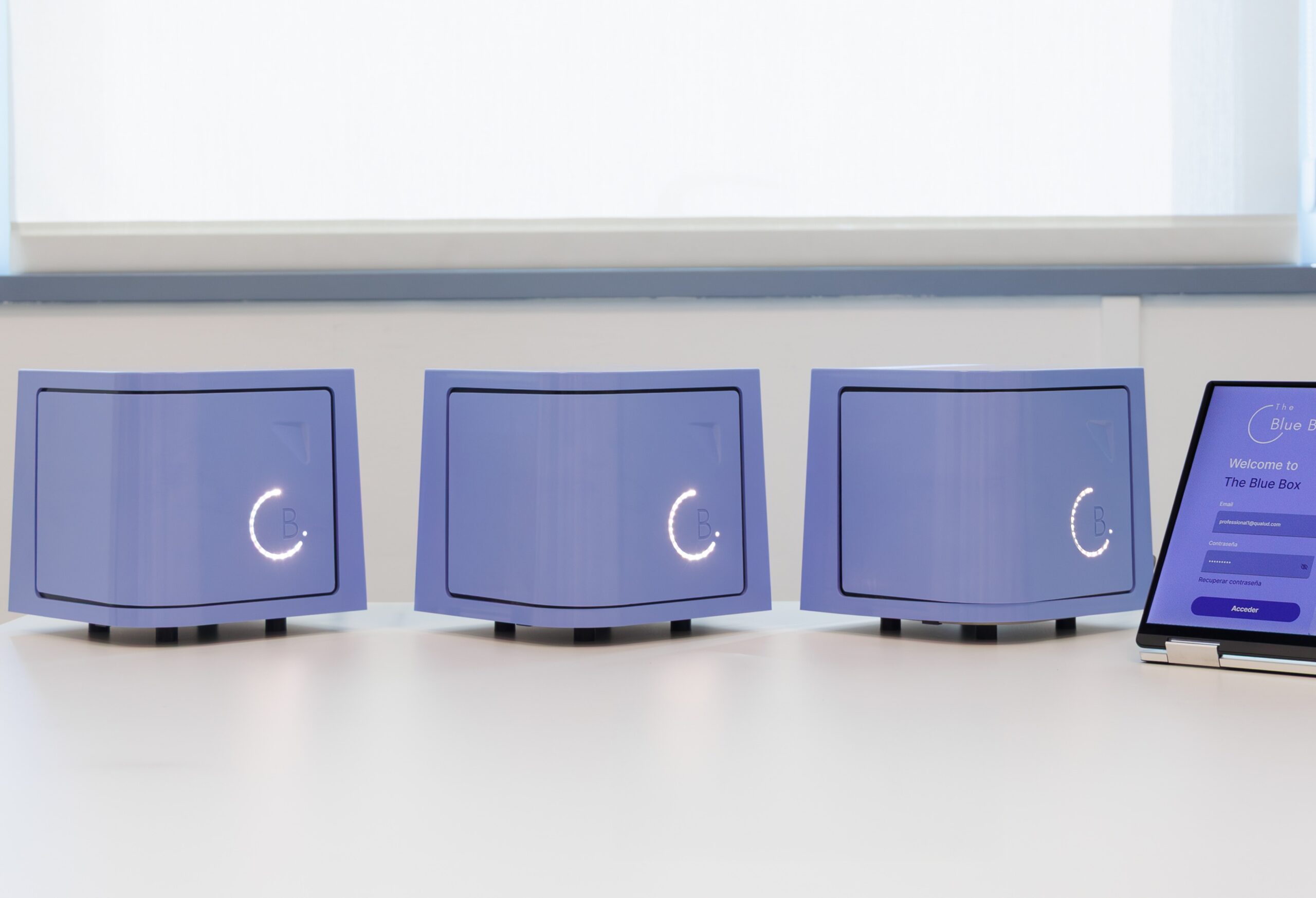
The Blue Box
Non-invasive breast cancer screening
An IVD device designed to detect breast cancer early, through a simple urine sample. We’re behind the engineering that could make it a new standard in breast cancer screening.
See how we did it
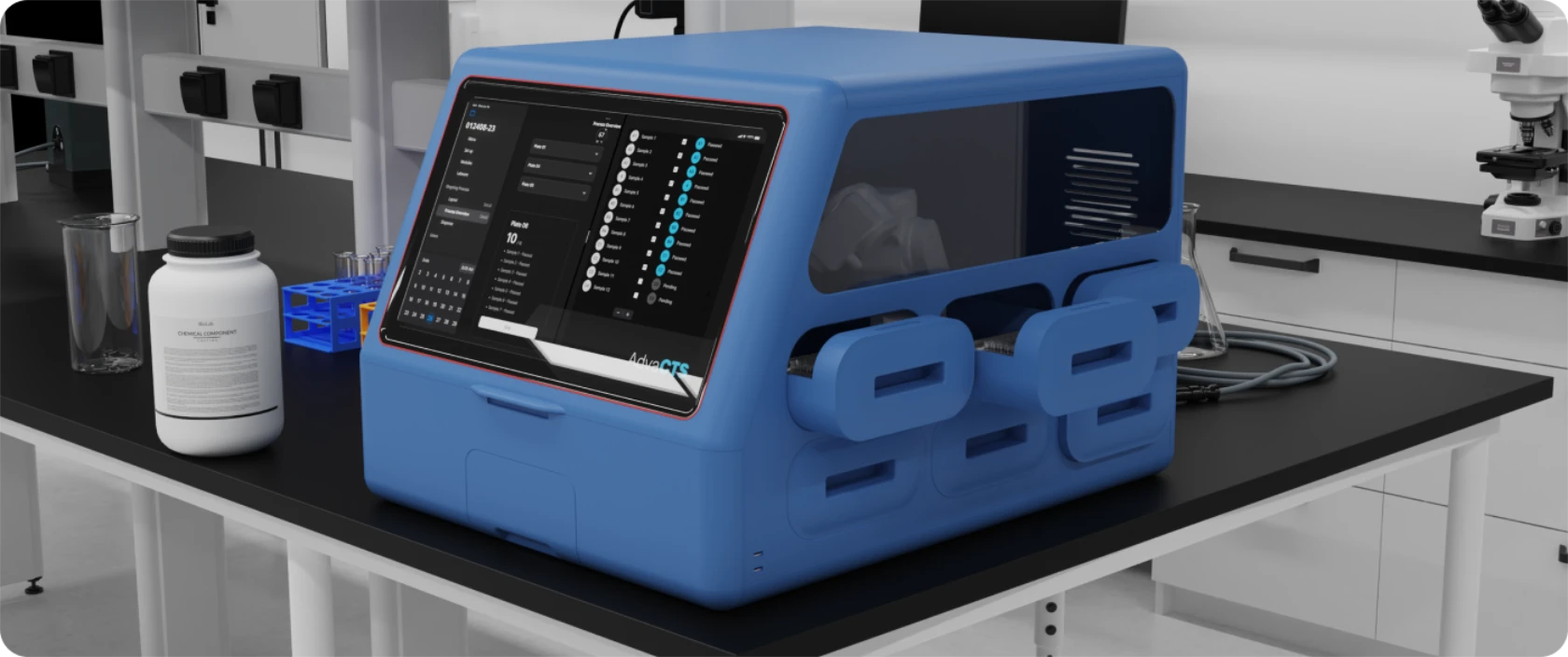
Cell therapy system
See how we did it
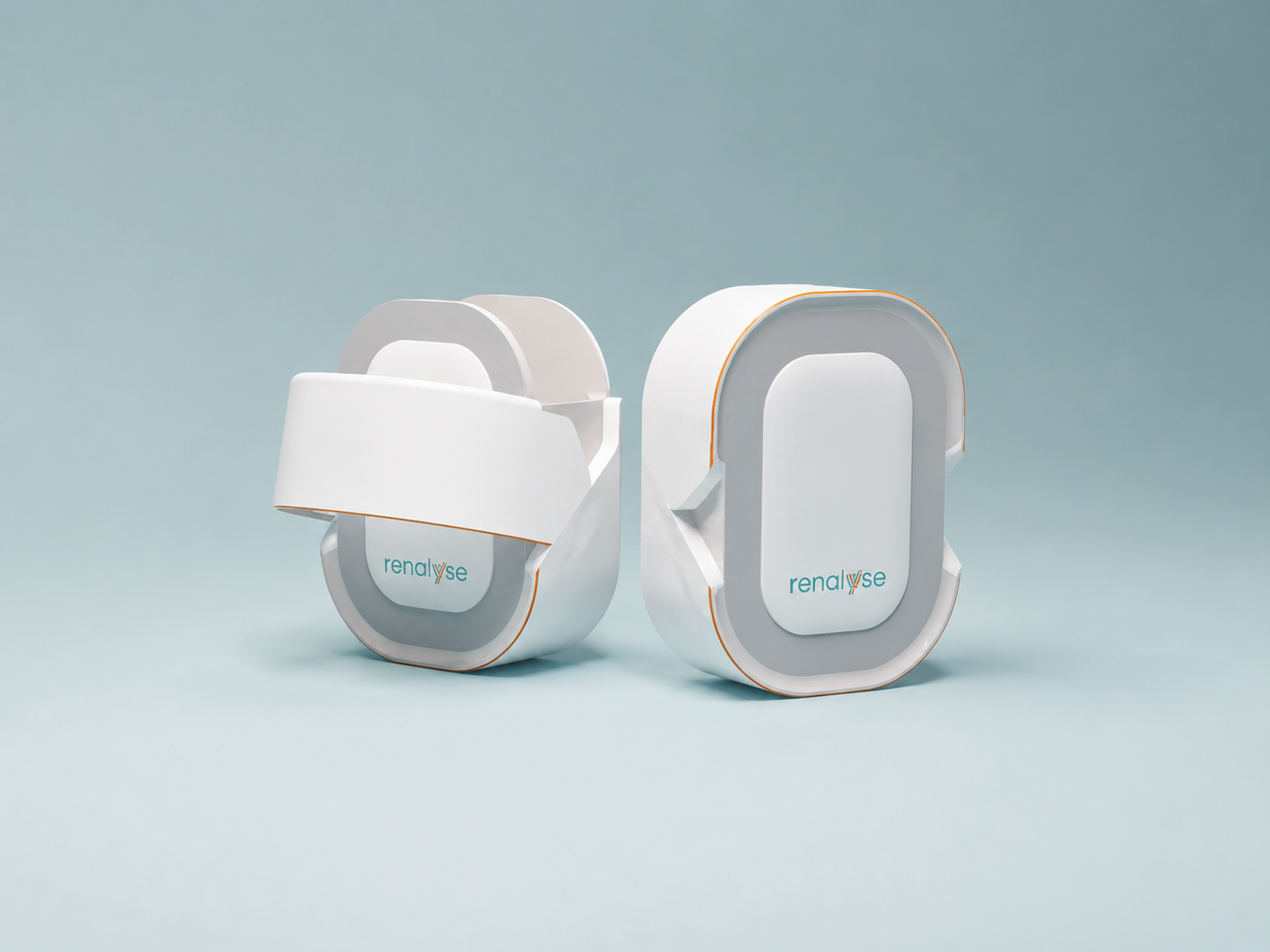
Dialysis biosensor
See how we did it
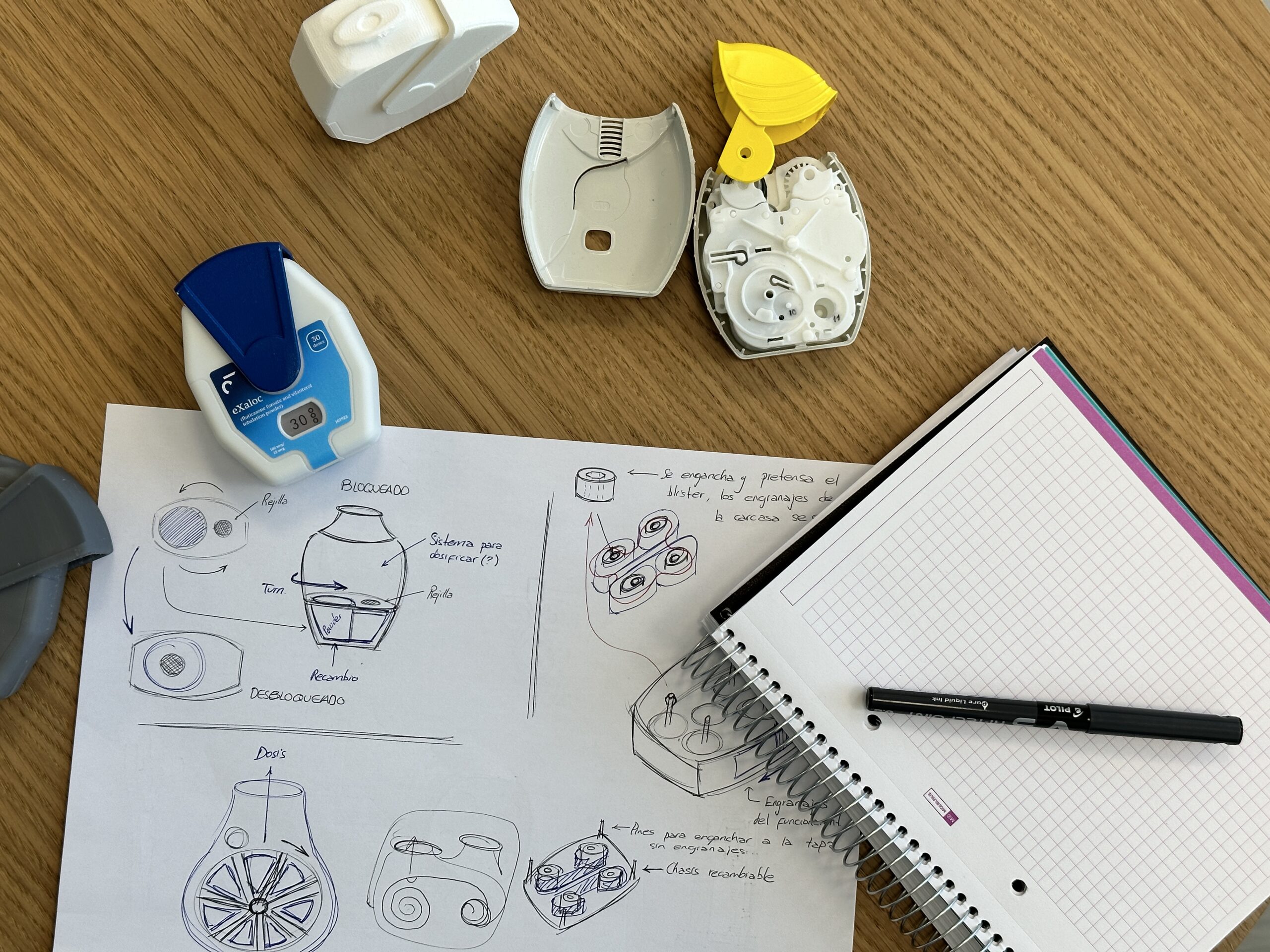
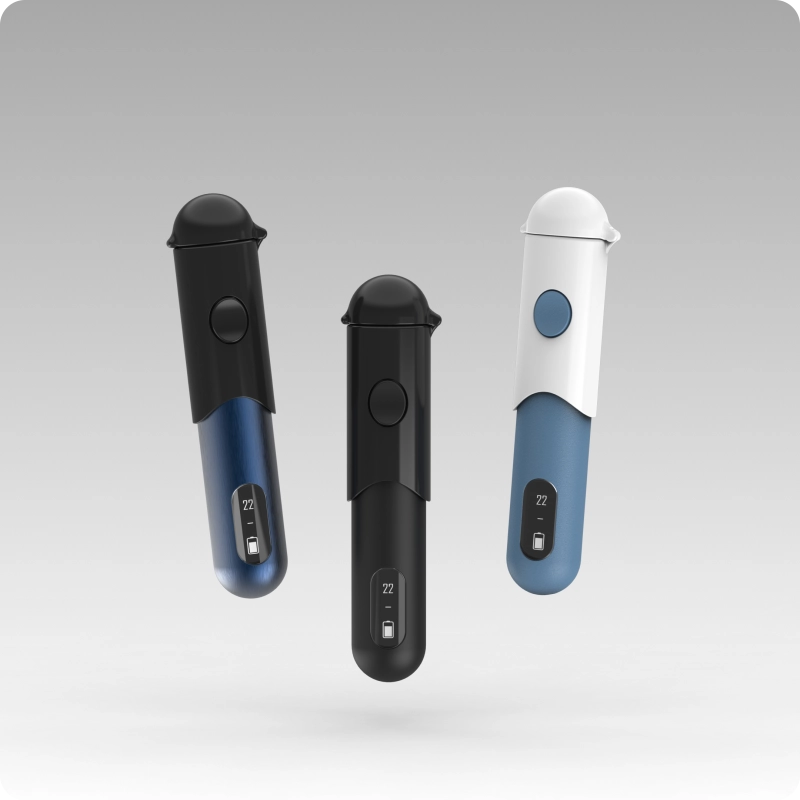
Dry powder inhaler
See how we did it
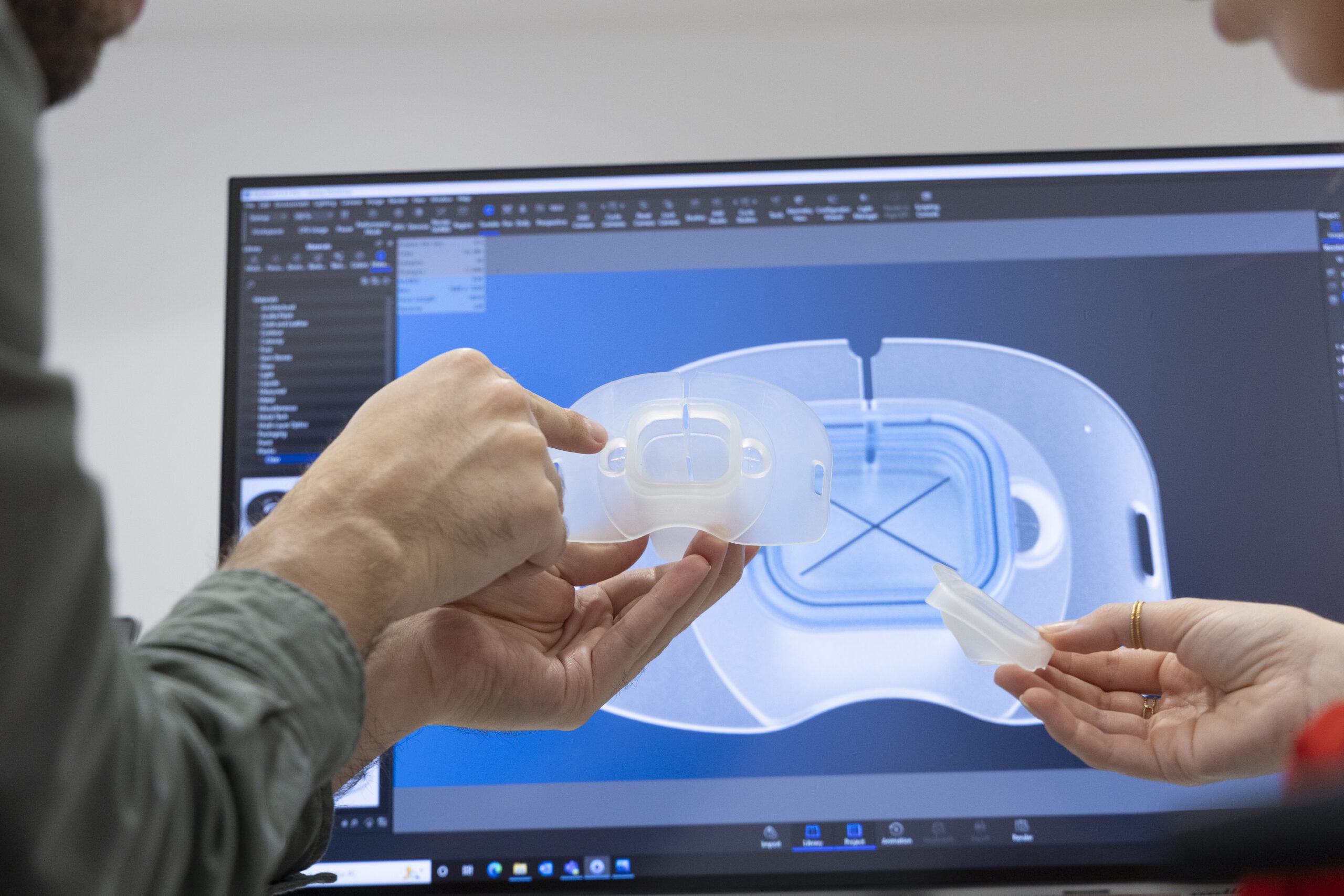
Embryo transfer device
See how we did it
Endotracheal intubation device
See how we did it
Remote dental monitoring
See how we did it
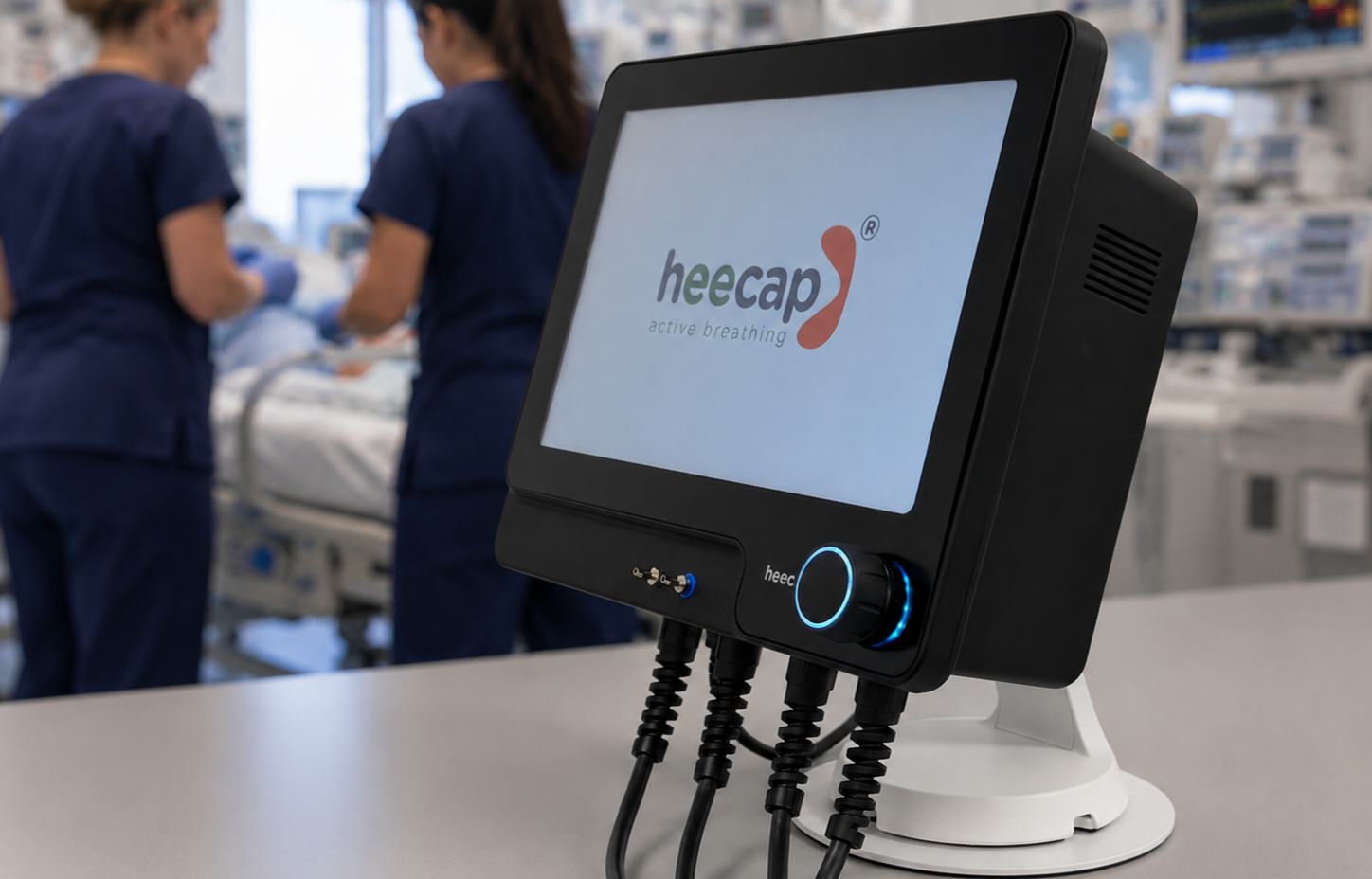
Heecap
Respiratory electrostimulator, reducing muscle atrophy in ICU
A clinical-grade respiratory electrostimulator, built for ICU professionals. Designed and developed to the highest safety and performance standards demanded in critical care.
See how we did it
User-cent connectivity
See how we did it
Overture Life
World’s first IVF automation
The world’s first babies conceived through automated ICSI. Perdigó designed and engineered the robotic prototype behind this historic milestone — a system with micron-scale precision and AI-powered computer vision.
See how we did it