
Batea Oncology: mechanical testing & characterisation

All Case Studies
Batea Oncology: mechanical testing & characterisation

In Context

Glioblastoma (GBM) is the most aggressive form of brain cancer. Even with surgical resection and radiotherapy, tumour cells remain at the resection margins and continue to infiltrate surrounding tissue. Batea Oncology developed GlioHook, a Class III implantable device, to improve survival rates in these patients.

Perdigó Medical designed and executed a complete mechanical characterisation and accelerated ageing for GlioHook, delivering a submission-ready test report.

The Challenge

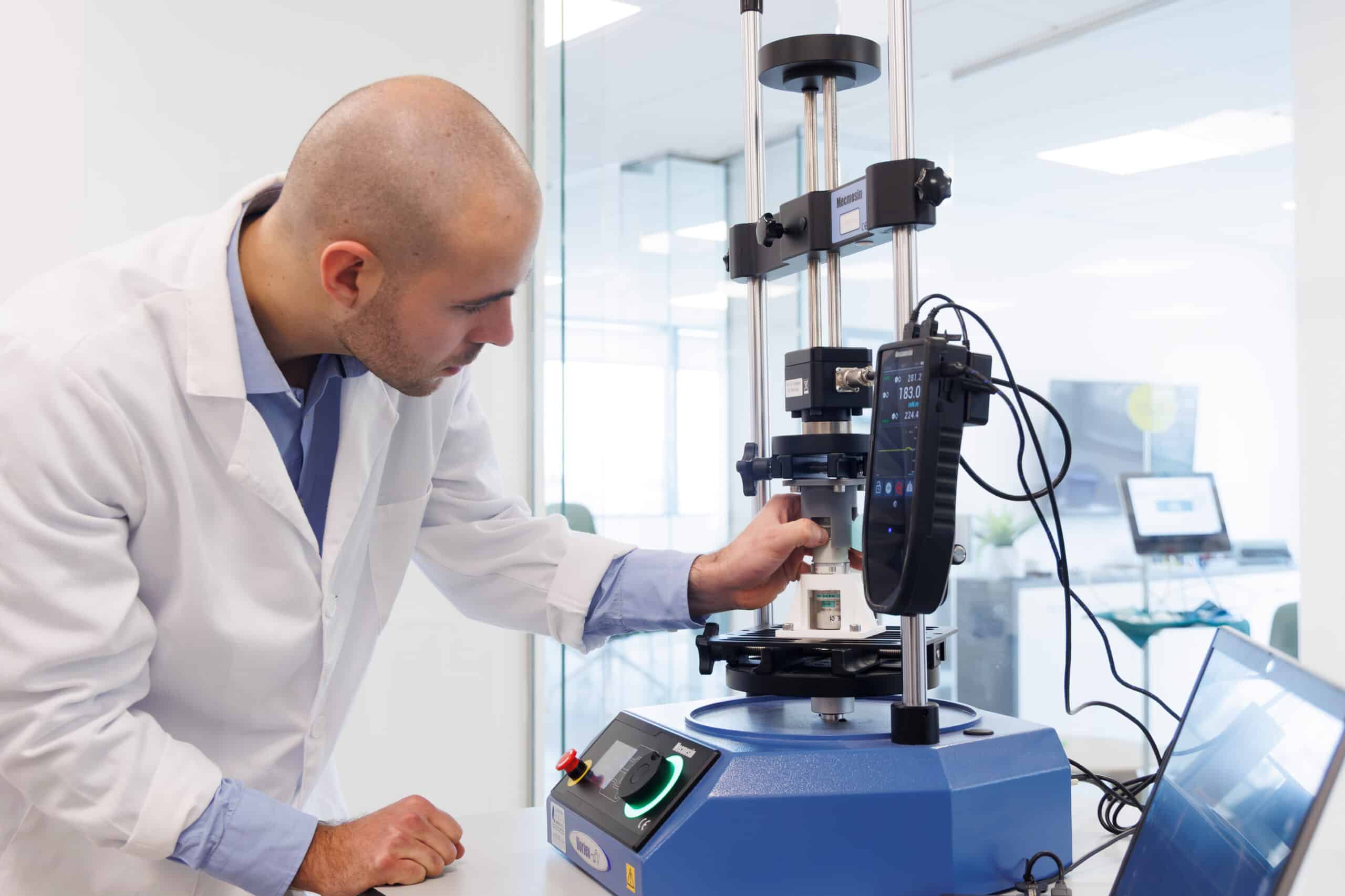
To proceed to clinical trials, Batea needed to conduct mechanical testing of the device. However, GlioHook is an atypical device for mechanical testing and its geometry may fall outside the assumptions of standard laboratory test setups. This task required expert medical device mechanical engineers who are able to design customised, yet fully-compliant protocols.


"Working with Perdigó on the mechanical characterization of our device has been key to advancing in the development of our product. They understood from the beginning that GlioHook is not a standard device. They designed tailor-made test protocols, maintained fluid communication at all times and delivered the complete and traceable reports on time."

Perdigó's Approach

Perdigó Medical designed and executed the project in five stages, each adapted to the specific characteristics of GlioHook.

Protocol design

Test protocols were developed for all five mechanical tests (tensile, compression, hardness, torsion, tear) and for accelerated ageing, in accordance with applicable standards. The protocols were validated on a surrogate material with comparable mechanical properties.

Real-use conditions simulation

The device’s clinical preparation procedure was reproduced prior to testing, with each sample conditioned in a similar way as performed by surgeons ahead of implantation.

Pre-ageing tests

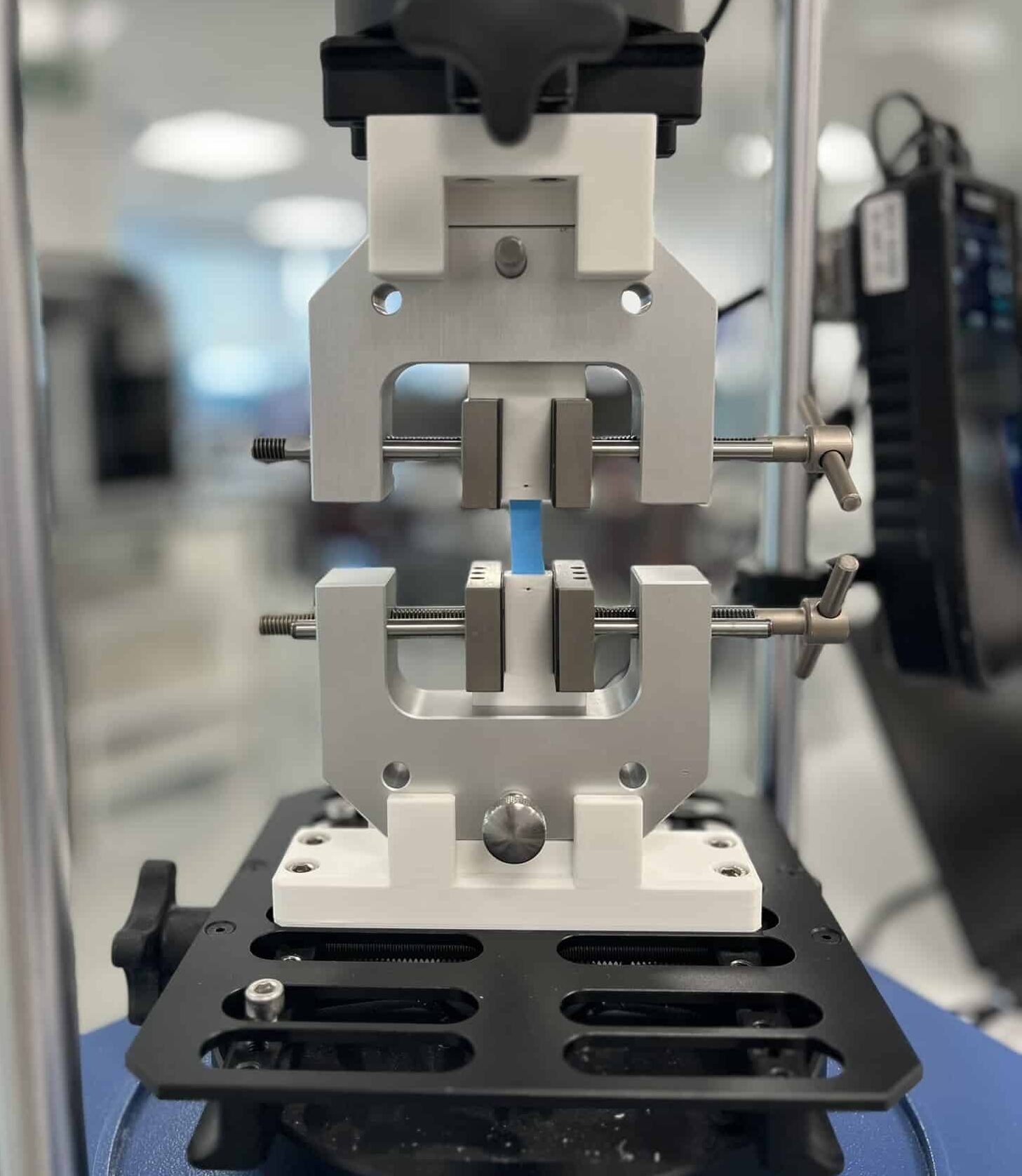
All tests were conducted on pre-aged samples. For tensile testing, custom fixtures were designed and created to achieve repeatable, valid loading on the thin, compliant scaffold. Standard grips could not hold the device reliably.

tensile text machine

Accelerated ageing

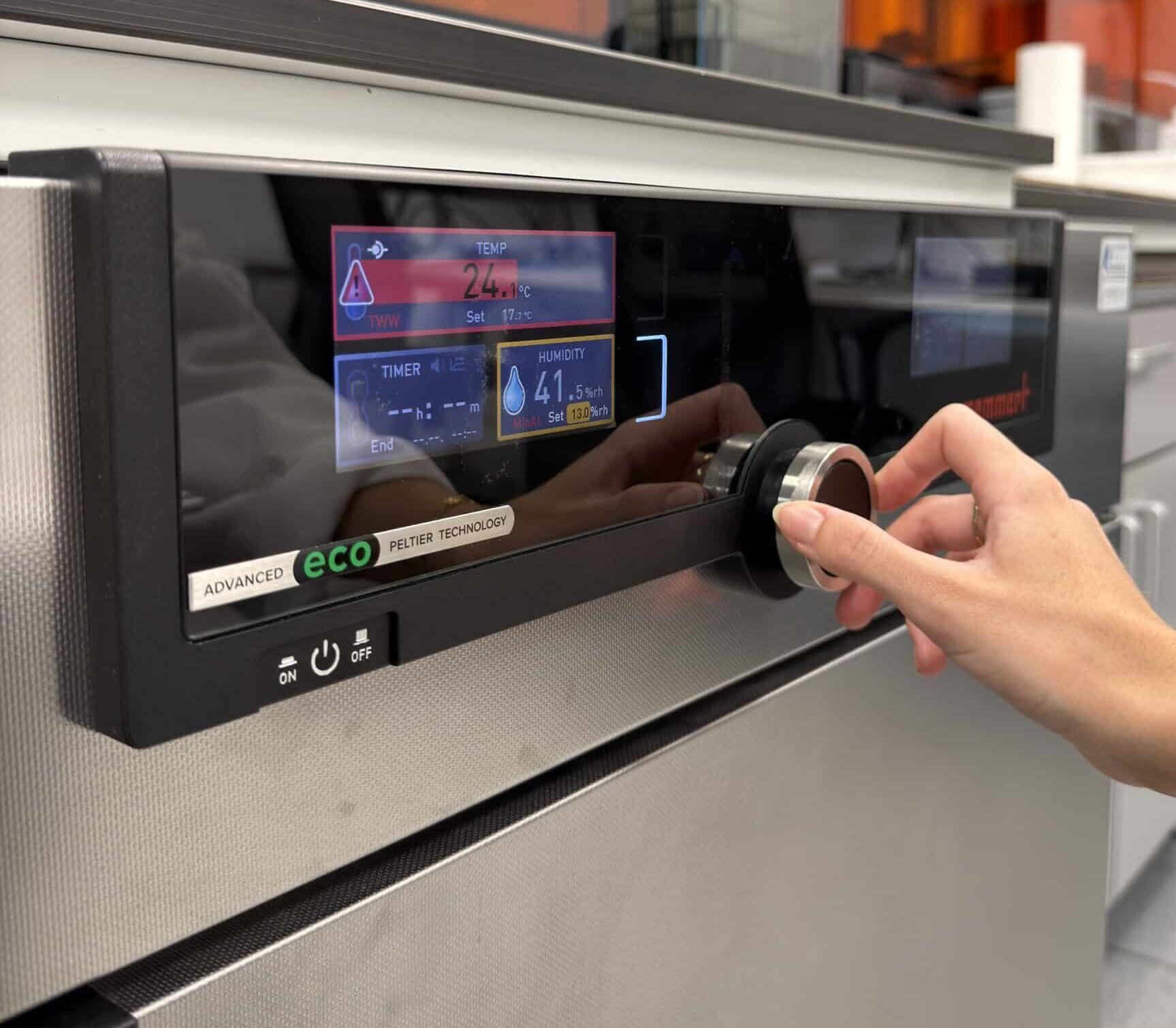
The device was aged for over two months in a temperature-controlled oven, following the accelerated aging protocol to simulate real-time shelf life.

Post-ageing testing

The aged samples were conditioned following the same procedure, and the full set of five mechanical tests was carried out again.

accelerated aging oven

Delivered Value

A complete characterisation report ready for regulatory submission

Perdigó delivered a full mechanical characterisation report covering all five test types before and after accelerated ageing. Batea received a documented, submission-ready package that supports their path to clinical trials.