























1. What is the difference between concept design and detailed design?
2. What deliverables does the concept design stage produce?
3. What are design inputs in medical device development?
4. What is a proof-of-concept prototype?
The concept design stage is where we turn your idea into structured requirements, a system architecture, and a proof-of-concept prototype that proves the concept works and gives your team something solid to stand behind.
Trusted by medical device leaders
We translate user needs into technical requirements, explore and narrow the design options, set out a system architecture, and build the early prototypes that lead to a proof-of-concept. Requirements left vague or feasibility assumed rather than demonstrated tend to resurface downstream as:
Rework in advanced stages
Failed verifications
Regulatory gaps
Delayed milestones
We work with you and your clinical stakeholders to capture what the device must do, as structured, measurable requirements. These become the design inputs the rest of development is tested against. Getting them right is non-negotiable.
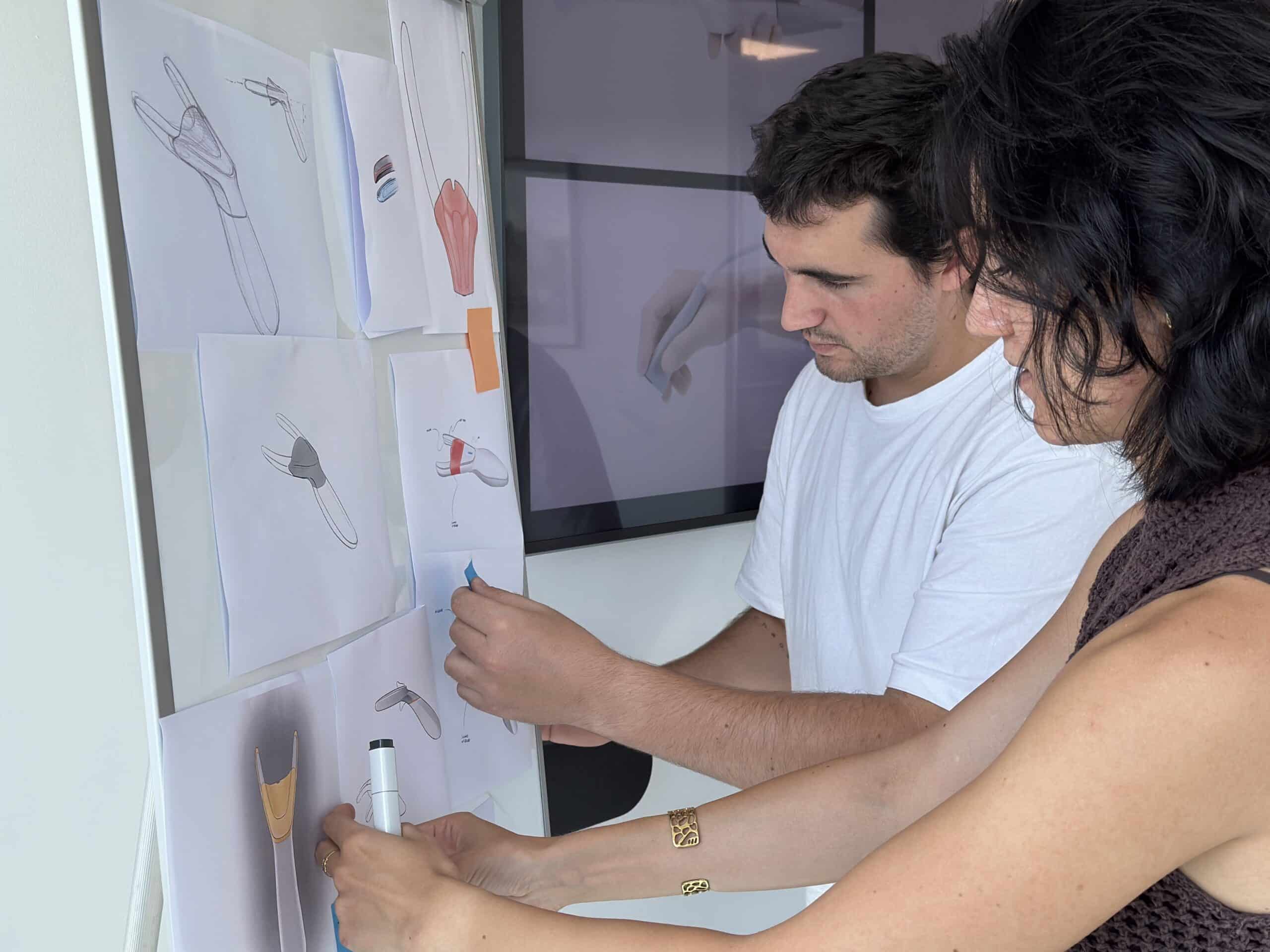
Our engineers explore multiple design directions, considering mechanical principles, electronic architecture, materials, usability, and software integration from the outset. Concepts are evaluated then down-selected to the most viable path forward.
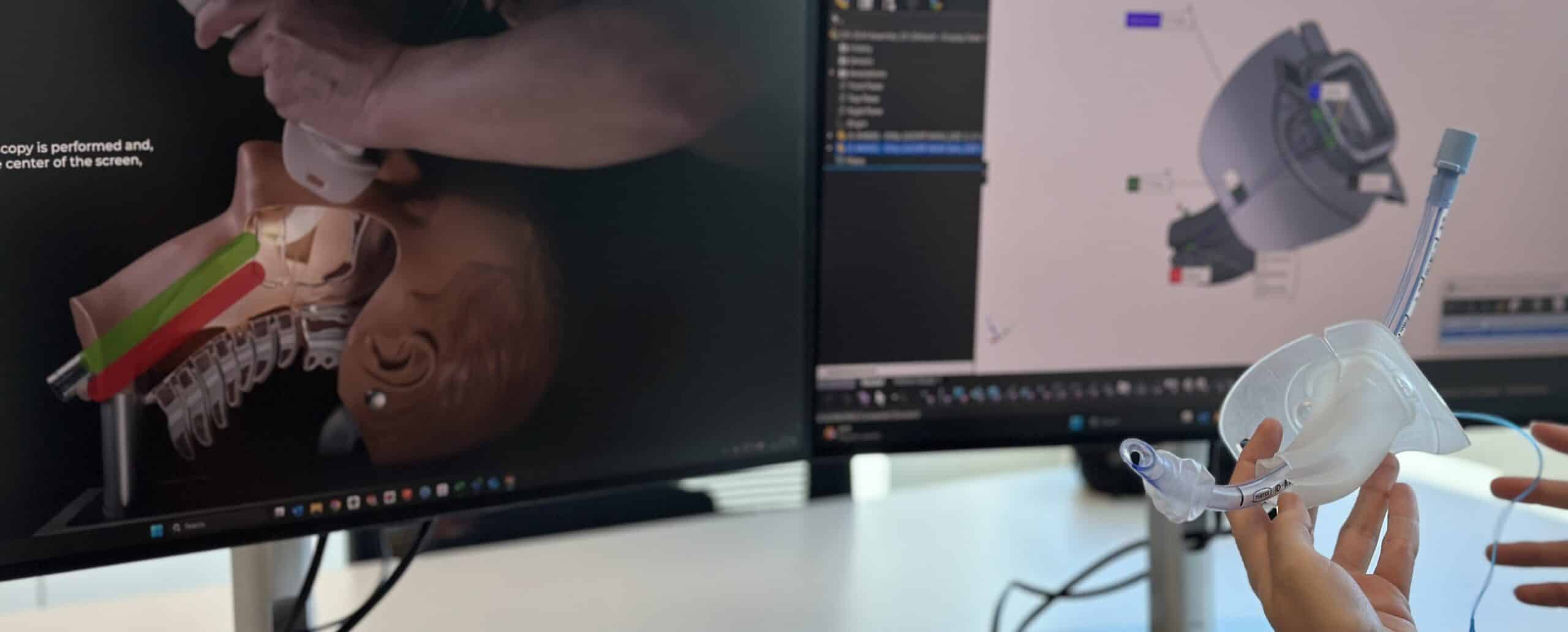
Prototypes at this stage are answers to the specific questions and risks identified in the feasibility stage. Can this mechanism work? Is it safe? Does this form factor make clinical sense? We build quickly, evaluate rigorously, and iterate with purpose to close unknowns before they become issues in later stages.
The output of concept design is a defined system architecture and a set of design documentation that feeds directly into detailed design. This includes preliminary design specifications, a high-level risk assessment, and the first entries in your design history file.
A proof-of-concept prototype demonstrates that the current solution solves the problem it was designed for, that what has been invented actually works. This is the end goal of concept design and the gate into detailed design: a functional prototype that proves the principle before further engineering effort is committed.
We assess what is genuinely protectable, run prior-art research to map the landscape you are designing into, and define a patent strategy tied to your disclosure events and target markets. We also produce the documentation you need to build a robust patent file.
By the end of concept design, the idea is proven and the groundwork is in place. Here is what you receive:
What the device must do for its users and stakeholders, captured as clear, measurable requirements.
The design directions considered, how they were assessed, and why the chosen concept won.
A functional prototype that demonstrates the core principle works
The high-level mechanical, electronic, and software architecture that detailed design develops.
Early identification of hazards and use-related risks, under ISO 14971.
The first records of a traceable, compliant development programme.
Confirmation of device classification and the standards that apply.
The formal requirements the rest of development is designed and later verified against.
We have helped medical device innovators turn ideas into market-ready products.
Working with Perdigó is straightforward by design.
We discuss your current status, your needs, and objectives. There is no commitment at this stage, simply an honest view of whether we are the right fit.
Our medical device experts assess your development needs and requirements in detail, ensuring that both teams are fully aligned before any work begins. An NDA is signed around this point.
You receive a clear proposal that defines the engagement scope, deliverables, timeline, and investment.
Our team starts working on the concepts, early prototypes, and documentation. Throughout, you receive progress updates, alongside regular checkpoints where we shape direction together and agree on the key decisions.
You get the deliverables and a recommended path forward, which involves moving into the detailed design stage.
Behind these numbers is a decade of specialised medical device development, concept to submission.
10
Application areas
12
Disciplines
+100
Projects
1. What is the difference between concept design and detailed design?
2. What deliverables does the concept design stage produce?
3. What are design inputs in medical device development?
4. What is a proof-of-concept prototype?