





























1. What is design for manufacturing (DFM)?
2. What does the detailed design stage produce?
3. Is device firmware developed during detailed design?
4. What comes after detailed design in medical device development?
Medical device detailed design is the stage where your design is resolved into an advanced working prototype, across whichever engineering disciplines it requires. We refine your early prototypes into one that works, does what it is intended to do, and can be manufactured at scale, along with the design outputs and documentation that verification and manufacturing depend on.
Trusted by medical device leaders
This is where design-for-manufacturing decisions determine whether the device can be built repeatably, to cost, and to quality. It is also where the design outputs and documentation that verification and the technical file depend on are generated. Because we develop across the disciplines a device requires, from mechanical and electronic to software, in-house, the product we produce holds together across disciplines.
Detailed design at Perdigó produces your first working, manufacturable prototype and the documentation that supports it.
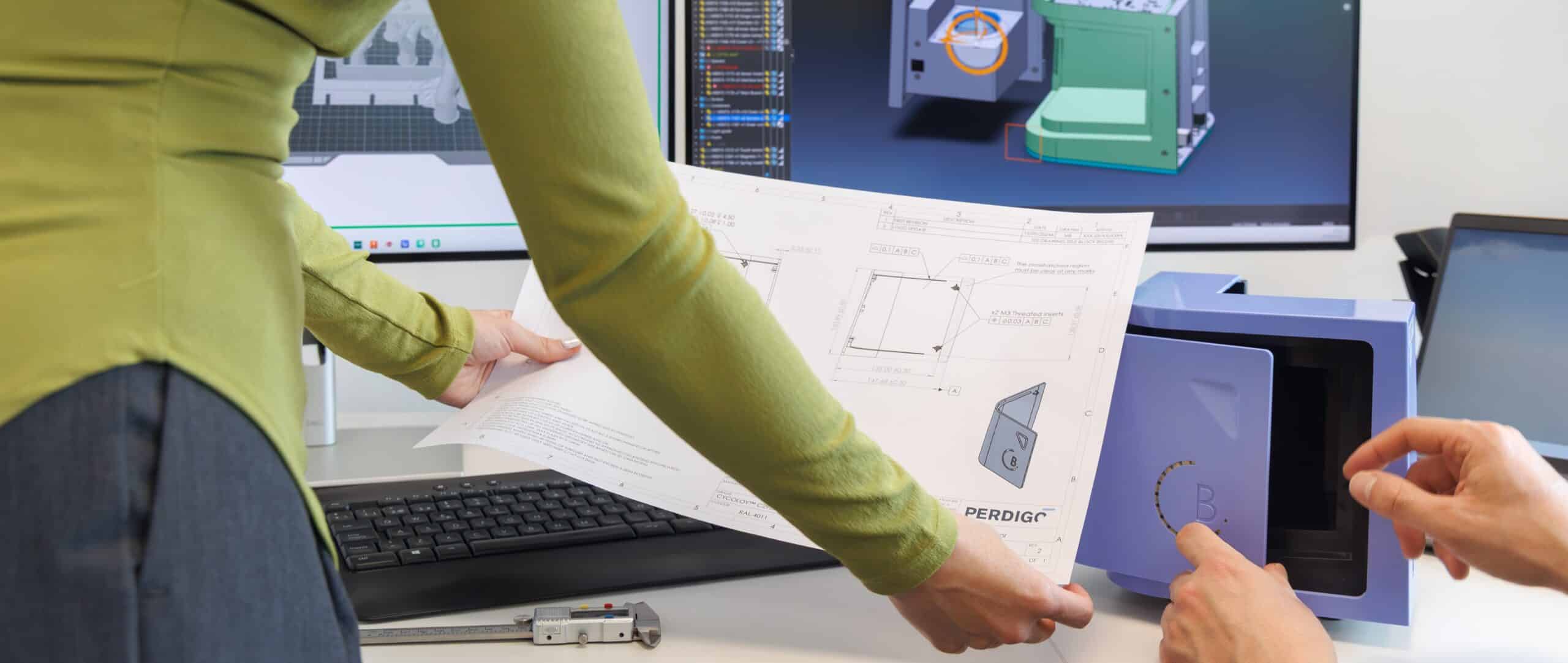
Refined mechanical design optimised for manufacture and assembly. Tolerances, materials, and processes are chosen for how the device will be built.
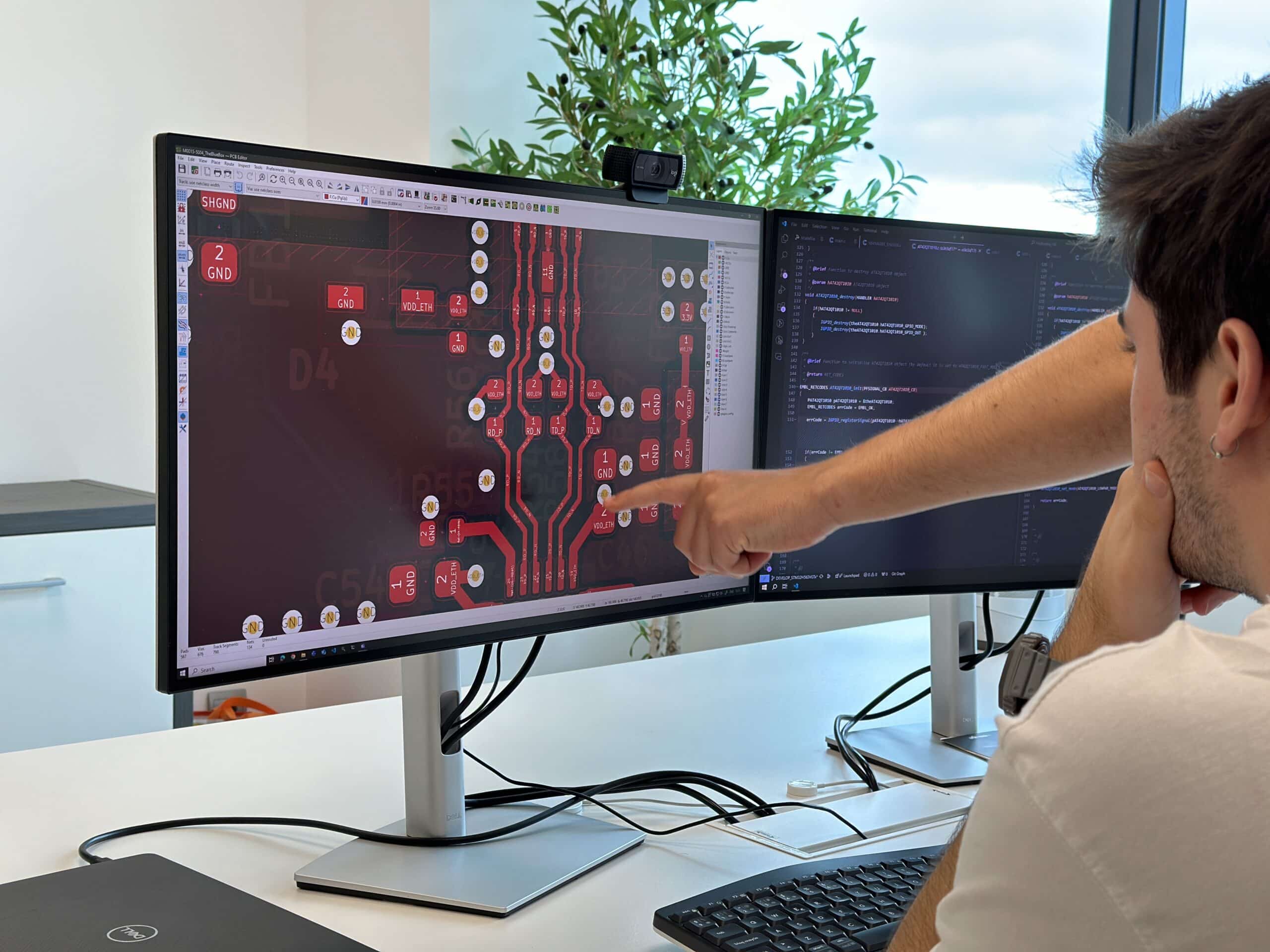
Production-intent electronic design and board layout, integrated with the mechanical and firmware work.
Device firmware developed under IEC 62304 and integrated with the hardware, so the device behaves as intended.
Structured DFM and DFA analysis that removes cost and risk from the design before it reaches a manufacturer.
Design decisions are traced to risk controls and feed the risk file, so safety is built into the device rather than checked at the end.
Specifications, drawings, and the bill of materials, plus the design outputs that populate the design history file or technical file.
A device and design package coherent enough that pilot manufacturing and verification proceed without rework.
As the device advances to its final form:
Hazards, failure modes, and use-related risks are analysed in depth, and controls are engineered into it rather than added afterwards.
Risk is assessed using hazard analysis, FMEAs, and other methods as the work demands. The findings drive design changes, so controls are built in and traced through the design outputs and the risk management file under ISO 14971.
Use-related risks are designed out.
Mechanical, electronic, and software engineering sit under one roof, so the device is developed as one coherent product, with zero hand-over risks.
Complex devices and those produced at volume depend on precise tolerances. Getting them right is one of our core engineering strengths.
The technical file is built as the work happens, so you reach advanced stages and regulatory submission without a documentation scramble.
We have helped medical device innovators turn ideas into market-ready products.
Working with Perdigó is straightforward by design.
We discuss your current status, your needs, and objectives. There is no commitment at this stage, simply an honest view of whether we are the right fit.
Our medical device experts assess your development needs and requirements in detail, ensuring that both teams are fully aligned before any work begins. An NDA is signed around this point.
You receive a clear proposal that defines the engagement scope, deliverables, timeline, and investment.
Our team develops the advanced device across all disciplines and produces the documentation. You receive progress updates, with regular checkpoints where we shape direction together and agree the key decisions.
You receive the manufacturable device, the design outputs, and the documentation, along with a recommended path forward into verification.
Behind these numbers is a decade of specialised medical device development, concept to submission.
10
Application areas
12
Disciplines
+100
Projects
1. What is design for manufacturing (DFM)?
2. What does the detailed design stage produce?
3. Is device firmware developed during detailed design?
4. What comes after detailed design in medical device development?