



















Medical device pilot production

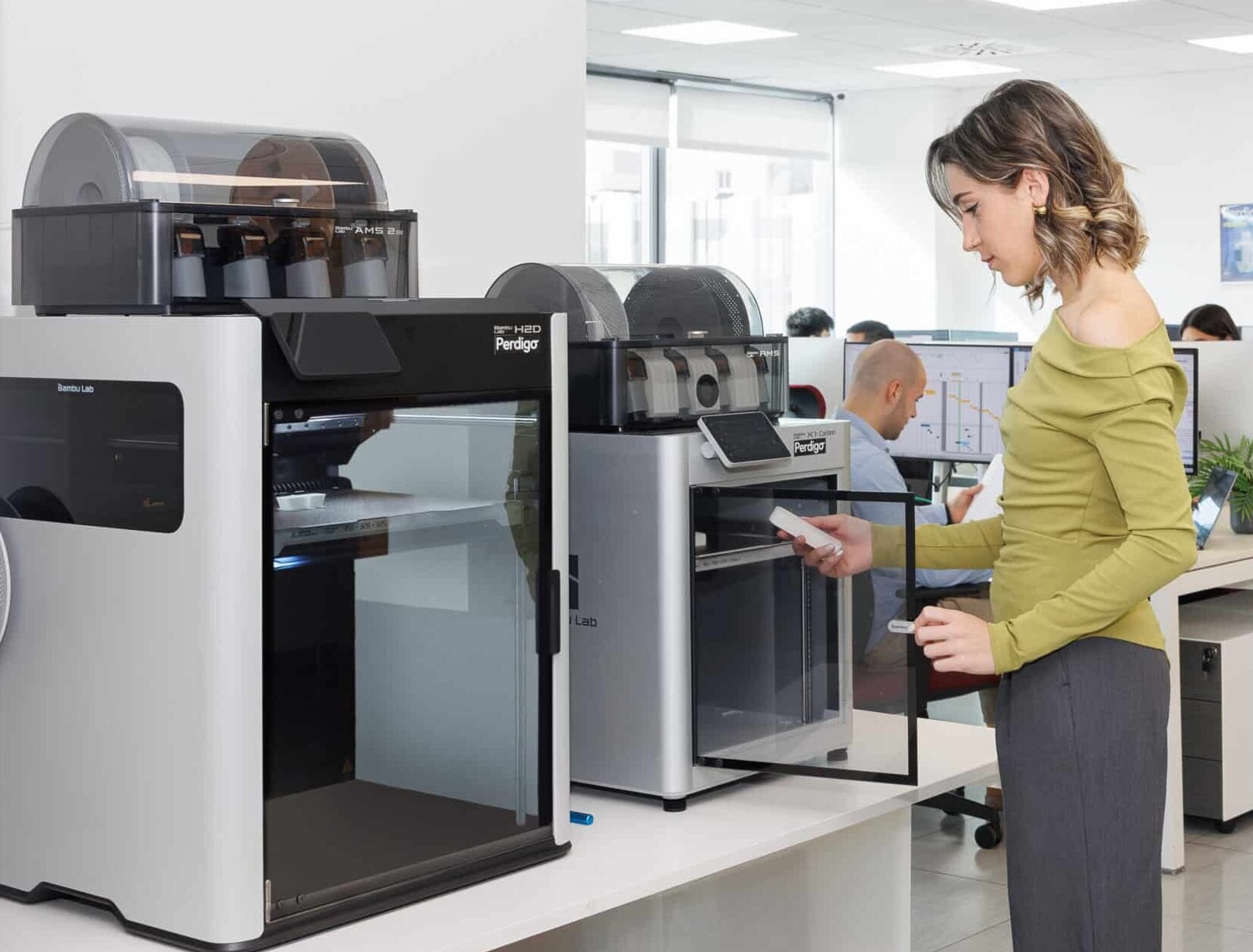
Medical device pilot production or manufacturing turns your design into a first batch of real, compliant devices. It is a demanding stage: the right manufacturer must be found, the process defined, and every build decision made without cutting into quality or compliance. We manage all of it, from manufacturer selection to your first compliant batch, with independent engineering oversight throughout.

Trusted by medical device leaders

What is medical device pilot production?

Pilot production is your device's first controlled build, made with production-grade processes and materials, or close equivalents.

A pilot build answers questions a design review cannot. It puts the assembly workflow under real conditions, measures whether production quality meets ISO 13485, and yields the first units your team can take into clinical trials or regulatory review before the expense of full commercial tooling is committed.

The tolerances, materials, and manufacturer settled during this build stay with the device for the rest of its life, and unwinding them later is slow and expensive.

With Perdigó

The manufacturer is selected on merit for your device, with the rationale documented.

Every build decision is made by engineers who know the verified design and its risk controls.

The process is defined and controlled before the first unit is built, with process FMEAs in place.

Batch records and manufacturing documentation are produced ready for the technical file and design history file.

A first batch built to specification and ready for validation, clinical trials, or regulatory review.

Full pilot manufacturing support

Perdigó's specialised medical device development expertise translates into a seamless, fully compliant pilot manufacturing process. Our team's mission is to give you a pilot batch built to the standard your submission depends on.

Manufacturer selection

We evaluate manufacturing partners from our network against the specific requirements of your device: technology, materials, controlled-environment classification, ISO 13485 certification, capacity, and track record with comparable devices. Selection is made on merit for the project, not on convenience or an existing commercial relationship.

Design transfer and process definition

We manage the design transfer, releasing manufacturing instructions, bills of materials, and quality procedures under full traceability. We define the workflow and quality checkpoints around the design's manufacturing needs. Process FMEAs identify where variation could affect performance or safety before the first unit is built.

Oversight and iteration management

If issues arise, whether dimensional discrepancies, material substitution proposals, or assembly challenges, we manage the engineering back-and-forth. Every iteration is evaluated against the verified design outputs, and nothing changes without engineering justification and traceability.

Pilot batch output

The output is a batch of functional, fully documented devices, built to specification and quality-controlled, that perform as the final device will. These units are suitable for design validation, clinical trials, and real-world performance testing, built with a deliberate balance of final-device fidelity and practical pilot-stage choices.

Pilot production documentation

A controlled build starts with clear engineering documentation. We define how your device should be manufactured and where quality must hold, in records that are traceable and version-controlled throughout the stage. Some of this evidence carries into your submission, and the rest gives the manufacturer a defined, repeatable process to build against.

Design transfer package

The complete, version-controlled set of manufacturing instructions, bills of materials, technical drawings, and quality documentation, released for the manufacturer to build from.

Manufacturing workflow and flowchart

A defined representation of the full production sequence: each operation, its inputs and outputs, associated quality controls, and tooling, so the build is repeatable and auditable.

Process FMEA

A systematic analysis of how the manufacturing process could fail and how those failure modes are controlled, addressed before the first unit is built.

Quality plan

A controlled document confirming that pilot batches are produced to a standard equivalent to the verified design, ready to support regulatory submissions.

Trusted by medical device leaders

We have helped medical device innovators turn ideas into market-ready products.

"Perdigo is a great partner for your device development. Their expertise and capacity to adapt to your needs makes them a great choice to work with."

Laura Andrade

R&D, Innovation & New Products Associate Director, Insud Pharma

“Perdigó's risk management work, engineering documentation and expert advice have supported the successful regulatory submission and approval of the Airway Shield device."

Julio M. Alonso

CEO and Chief Medical Officer, Airway Medical Innovations

“Perdigó's expertise in healthcare engineering and product development was crucial to the progress of our device. Their technical knowledge, flexibility, and total dedication were invaluable, and were essential in ensuring the successful development of the device.”

Joan Vieyra

CTO The Blue Box Biomedical Solutions

"At Heecap, we're excited to be working with Perdigó to transform our product from a prototype to a market-ready system. It's the professional, multidisciplinary team we work with every day and whose expertise gives us the confidence to deliver a high-quality, successful end product."

Sofia Ferrerira

CTO & co-Founder at Heecap and Innovation Engineer at Hospital Sant Joan de Déu Barcelona

Clear, streamlined engagement

Working with Perdigó is straightforward by design.

01 Scoping call

We discuss your current status, your needs, and objectives. There is no commitment at this stage, simply an honest view of whether we are the right fit.

02 Needs assessment meeting

Our engineers review your design, documentation, and manufacturing requirements in detail, so both teams are aligned before any work begins. An NDA is signed around this point.

03 Proposal

You receive a clear proposal that defines the engagement scope, deliverables, timeline, and investment.

04 Kick-off and collaboration

We select and qualify the manufacturer, manage the design transfer, define the process, and oversee the pilot build. You receive regular progress updates and checkpoints where key decisions are agreed together.

05 Handover and next steps

You receive the compliant batch and the process documentation that supports your technical file, ready to move into the validation stage.

Perdigó's medical device regulatory team

Medical devices are all we do

Behind these numbers is a decade of specialised medical device development, concept to submission.

10

Application areas

12

Disciplines

+100

Projects

Your first production batch starts here

We manage your pilot production stage end to end: manufacturer selection, process definition, engineering oversight, and a first compliant batch ready for validation.

No commitment. Just clarity.

FAQs

1. What is design transfer in medical device development?

Design transfer is the formal process of moving a completed device design into manufacturing. It converts the design outputs, such as specifications, technical drawings, and bills of materials, into the production processes, work instructions, and quality controls a manufacturer builds to. The purpose is to ensure the manufactured device consistently reproduces the intended design. It is a defined requirement of medical device quality management under ISO 13485.

2. How is a pilot batch different from a prototype?

A prototype is built during design to answer specific engineering questions and is often made using different materials or methods from the final device. A pilot batch is a small production run built with processes and materials close or equal to commercial manufacturing, under defined quality controls. A prototype proves the design works; a pilot batch proves the device can be manufactured consistently to specification. Pilot units are suitable for design validation and clinical use, which prototypes generally are not.

3. What is the difference between pilot production and full-scale manufacturing?

Pilot production is a low-volume build that confirms a device can be manufactured consistently before commercial scale is committed. It uses production-representative processes and materials but avoids the full tooling, automation, and process validation investment of full-scale manufacturing. Full-scale manufacturing produces commercial volumes under fully validated processes. Running a pilot first reduces the risk of discovering process or design problems after that larger investment is made.

4. When does pilot production take place in medical device development?

Pilot production typically takes place once the device design is complete, after design verification and before full-scale commercial manufacturing. It produces the units used for design validation, clinical evaluation, or a regulatory submission and allows manufacturing processes to be tested and refined before full commitment.

5. How many units are produced in a medical device pilot production?

There is no fixed number. A pilot batch is typically tens to a few hundred units, sized to the device and what the batch needs to support, such as design validation, clinical evaluation, or a regulatory submission. The quantity is set by how many units are required to demonstrate the process runs consistently and to supply the studies that follow. Volumes stay well below commercial manufacturing, since the purpose is to prove the process before full scale-up.